Article
World leader in genomic testing brings 85K Chip to Australia & New Zealand

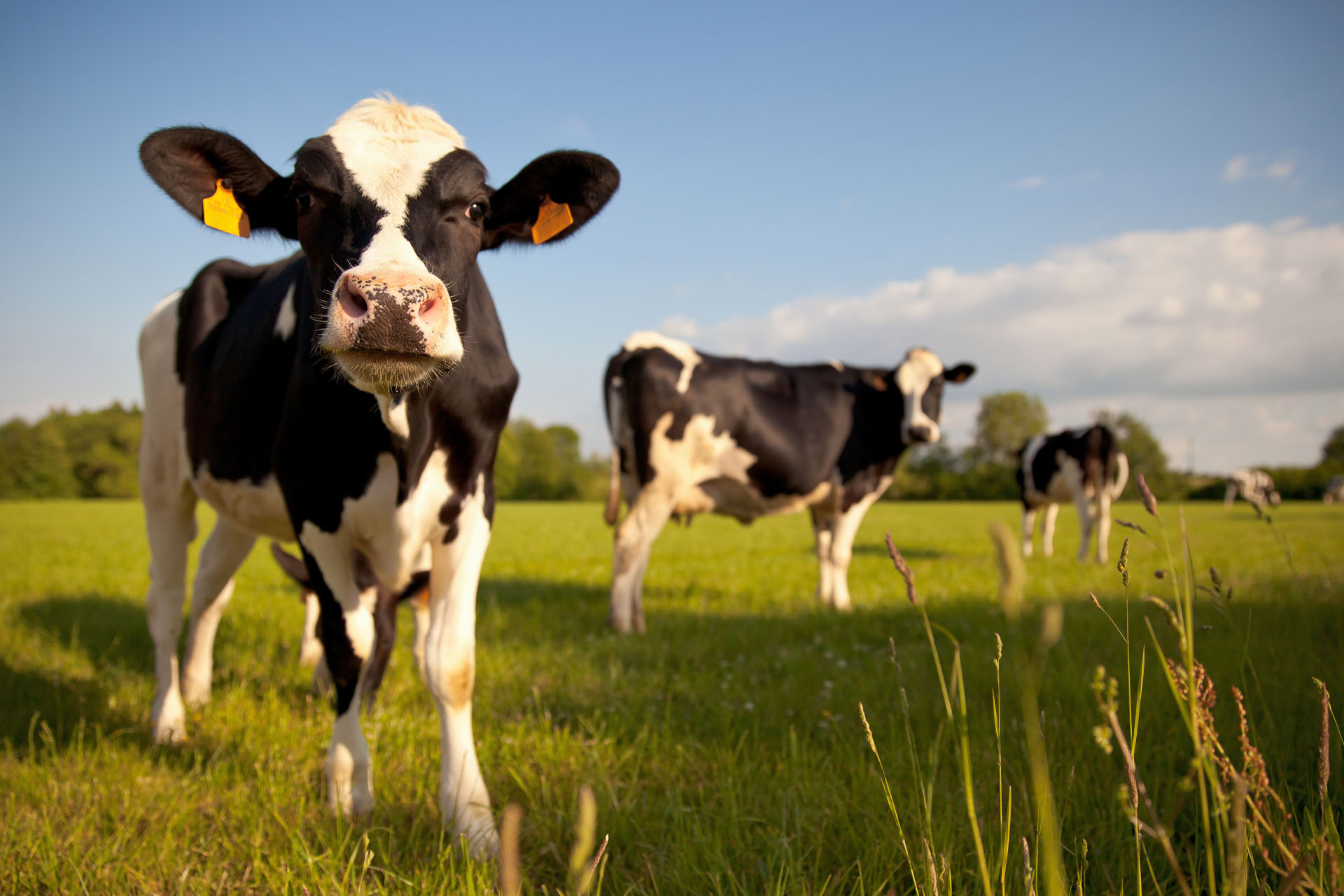


Holstein Friesian cattle were first imported into New Zealand in 1884, followed by further introductions of Holstein Friesian genetics from North America in 1902 and 1903. Early on, a distinction was made between ‘Dutch Friesian’ cattle from the Western Friesland region of the Netherlands and ‘Holstein’ cattle of North American origin. Over time, these strains were blended as countries sourced animals from both regions. The New Zealand Holstein Friesian Association was established in 1910 and began trading as Holstein Friesian New Zealand in 2011.
In Australia, the breed was first introduced in 1886 with the arrival of one bull and six females from the Netherlands. As further imports followed, foundation herds spread across Victoria and New South Wales. Established in 1914, Holstein Australia is now the largest dairy cattle breed association in the country.
Today, Holstein cattle account for approximately 70 per cent of Australia’s 1.6 million dairy cows and are renowned for their adaptability to a wide range of environmental conditions.
We are proud to work with Holstein Friesian cattle producers to provide affordable, accessible and accurate genomic testing solutions.
We invest in cutting-edge technologies that empower producers to make breeding decisions that are faster, smarter, and more profitable.
Cattle parentage testing uses DNA analysis to accurately identify the sire and dam of an animal. By comparing genetic markers from calves and potential parents, the test provides a reliable confirmation of pedigree, helping producers to:
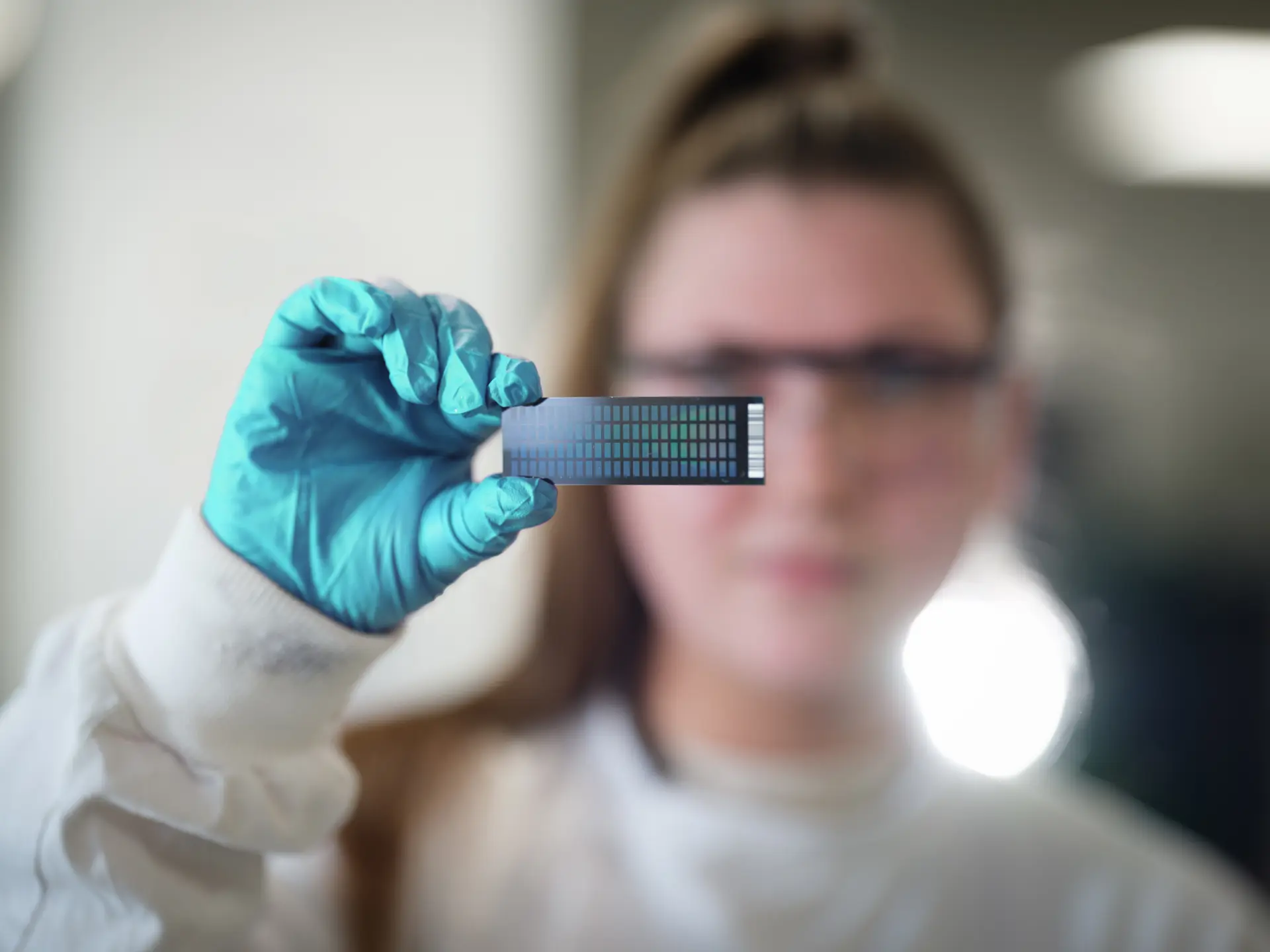
A great fit for the Holstein Friesian breed, the Bovine VERSA 85K is 85,000 SNPs of both Bos Taurus and Bos Indicus content. This chip has been developed to increase accuracies for both pure bred and composite cattle and analyse traits of impact to the Holstein Friesian breed to assist with breeding decisions.